

In global trade, thirty days can feel like a year.. Policies shift, alliances wobble, and unexpected breakthroughs jolt markets into new directions.. The past month has been no exception, from high-stakes tariff manoeuvres to the rise of AI-driven trade tools, and from diplomatic flashpoints to surprising growth adjustments, the international trading system has been anything but still..
For businesses, this is more than just headline news.. Each twist carries real consequences for sourcing decisions, shipping routes, and market strategies..
HM Business Solutions put together a snapshot of the most significant moves shaping trade in the last 30 days, and what they mean for those navigating the currents of global trade..
1. China–U.S. trade truce extended
On August 12, the U.S. and China mutually extended their trade truce for another 90 days, averting a fresh wave of tariffs that could have escalated tensions.. This pause eases short-term disruptions for businesses relying on Sino-American export-import flows, but systemic issues like IP and industrial subsidies remain unresolved..
2. Thailand Cracks Down on Transshipment
In response to a new 40% U.S. penalty on goods suspected of transshipment, Thailand has significantly intensified its checks on exports.. Authorities are conducting origin verifications, factory audits, and X-ray inspections to prevent Chinese goods from being misrouted through Thailand into the U.S..
3. New U.S.–EU trade deal unveiled
Late July saw the U.S. and European Commission strike a major agreement: all U.S. industrial goods will now enter the EU duty-free, though higher tariffs on steel and aluminium persist.. The deal aims to bolster American exports in manufacturing, agriculture, and energy sectors..
4. Global trade growth forecast adjusted by the WTO
Frontloading of U.S. imports boosted the 2025 global merchandise trade growth forecast to 0.9%, up from a predicted -0.2%.. Still, the WTO cautions that ongoing tariff pressures could slow growth to just 1.8% by 2026..
5. Digital leap for global trade with Alibaba’s AI agent
Alibaba International unveiled the world’s first AI-powered agent for global trade, accelerating B2B sourcing, documentation, and matchmaking.. This AI tool, part of the “Accio” (as a Harry Potter fan I know this as the “summoning” charm) platform, surpassed 2 million users within nine months of launch, marking a new frontier in digital trade facilitation..
6. Growing U.S. import surge & supply chain uncertainty
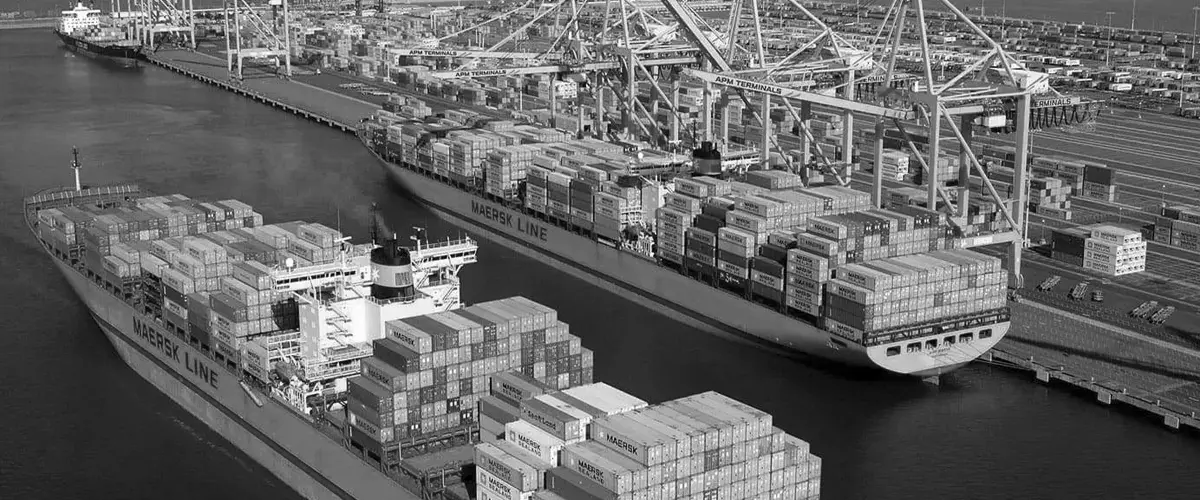
As tariff deadlines approached, U.S. imports surged through July, as a result of which Los Angeles port handled more than 1 million TEUs, in July including a record 543,728,000 TEUs making it the busiest ever month in the port’s 117-year history.. While it indicates that peak season arrived early, it didn’t meet past peak-season volume as per C.H.Robinson..
However, supply chain restructuring, seeking alternatives to avoid escalating duties, has yet to materialize amid policy uncertainty..
7. Trade, diplomatic flashpoints and bilateral reset
Meanwhile, India entered a trade and diplomatic crisis with the U.S. following a 50% tariff on select exports, alongside retaliatory rhetoric.. While defense procurements (e.g., aircraft and missiles) were rumored to be on hold, India’s defense ministry pushed back, calling it “false and fabricated.”.. The standoff raises broader concerns about the resilience of strategic alliances..
Amid U.S. tariff pressure, India and China are reportedly seeking to revive and expand trade talks, focusing on critical sectors like rare earths, fertilizers, and pharmaceuticals, potentially signaling a rebalancing of Indo-Pacific trade alignments..
Action points for customers
- Review your tariff exposure now – Identify high-risk markets and adjust sourcing before new rates hit..
- Adopt digital trade tools – Use AI-driven platforms to cut processing time and improve accuracy..
- Diversify supply chains – Reduce reliance on single countries or regions to manage disruption risk..
- Watch demand trends – Align inventory with realistic, not just peak-season, forecasts..
- Factor policy into pricing – Build tariff and compliance costs into your pricing strategy early..
As always, you don’t have to do this alone.. HM Business Solutions is here to assist with all your trade requirements.. Contact us today to discuss how..



Leave a Reply